
The Clarity of the Claim
Unlike the Synoptic Gospels, the Fourth Gospel ends with an unmistakable hermeneutical key:
“And truly Jesus did many other signs in the presence of His disciples, which are not written in this book; but these are written that you may believe that Jesus is the Christ, the Son of God, and that believing you may have life in His name” (John 20:30–31).
John states his solitary purpose: to lead readers to believe that Jesus is the Christ, the Son of God, and to receive eternal life. John’s Gospel stands as the only explicitly evangelistic book in the New Testament canon.
The Selected Signs Authenticate the Christ
John selects eight specific public signs (sēmeia)—from turning water into wine (John 2:1–11) to the resurrection of Lazarus (John 11:1–44)—to establish the identity of Jesus.
- The Miracles as Evidence: These signs were not performed as mere spectacles; they were chosen to establish Jesus’ divine authority and messianic credentials.
- The Object of Faith: The title “the Christ, the Son of God” carries specific theological weight. As Jesus asked Martha in John 11:25–26, “I am the resurrection and the life. He who believes in Me, though he may die, he shall live… Do you believe this?” Martha assented to the factual truth: “Yes, Lord, I believe that You are the Christ, the Son of God” (John 11:27). To believe Jesus is the Christ is to trust Him as the guarantor of resurrection and everlasting life.
The Sole Condition is Faith (Pisteuō), Not Works
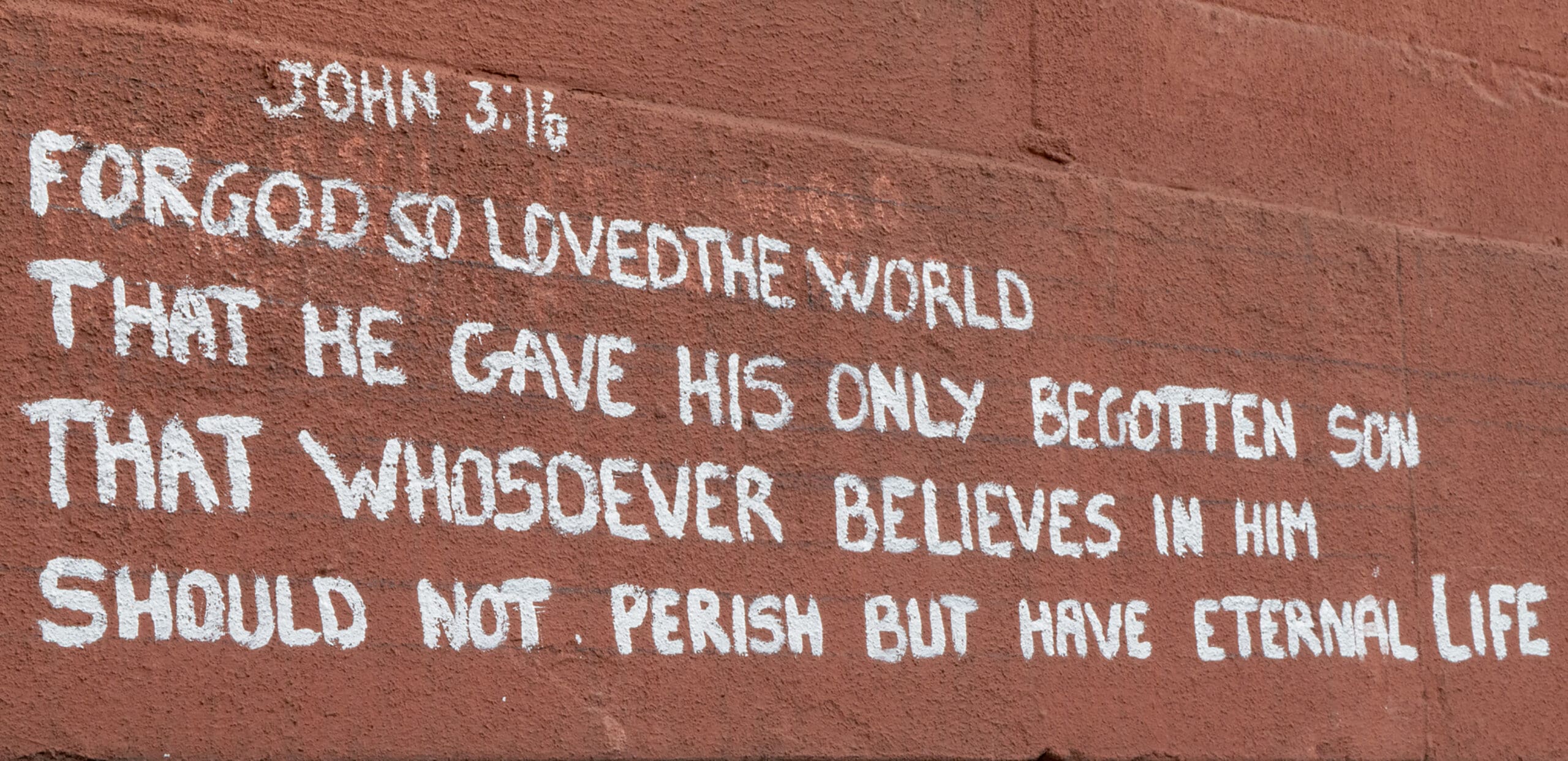
John explicitly limits the condition of receiving life to believing (pisteuō).
- Absence of Secondary Requirements: The Gospel of John contains zero occurrences of the Greek terms for repentance (metanoeō / metanoia), discipleship surrender, or water baptism as prerequisites for everlasting life.
- The Nature of Pisteuō: In Koine Greek, pisteuō denotes inward persuasion and trust—taking God at His Word. It does not incorporate active human effort, submission, or obedience.
- The Subjunctive Clause of Purpose: The construction ἵνα πιστεύ[σ]ητε (hina pisteu[s]ēte, “in order that you may believe”) demonstrates that the book’s designed result is the passive reception of divine testimony.
The Result: An Irreversible Free Gift
The immediate outcome of believing is the present possession of eternal life (zōē aiōnios).
- Present Possession: John 5:24 states that the one who believes “has (echei, present active indicative) everlasting life, and shall not come into judgment, but has passed from death into life”.
- A Gift, Not a Wage: Eternal life is a permanent bestowal received through a single act of faith. It stands in contrast to discipleship, which is a costly, lifelong endeavor rewarded at the Judgment Seat of Christ.