
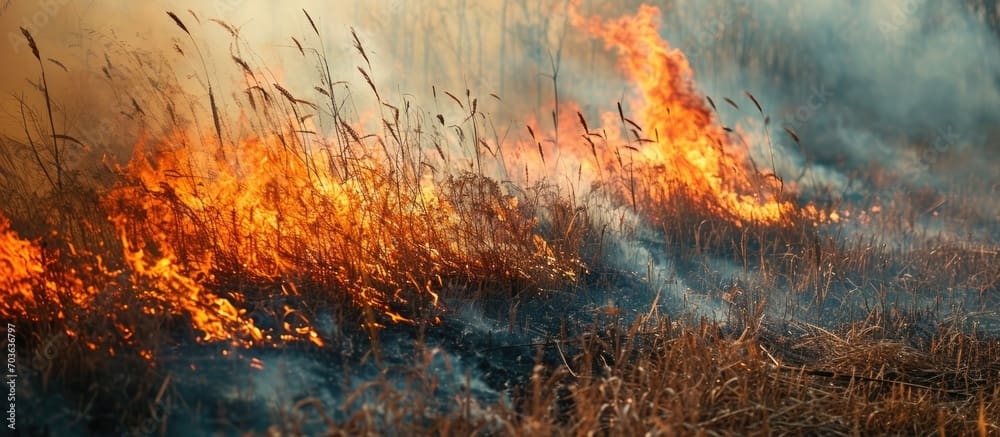
Hebrews 6:4-8 stands as a sobering warning about the impossibility of restoration for those who fall away from the faith, illustrating the severity of judgment with an agricultural metaphor of unproductive land being burned.
Spiritual Life of Those in Danger (Heb 6:4-5)
The author describes the spiritual life of those who are in danger of falling away. They had been enlightened, tasted the heavenly gift, become partakers of the Holy Spirit, and tasted God’s good word. This indicates they were not unregenerate but had genuinely encountered the blessings of salvation. This is indicated by the verbiage for tasting is the same as that used of Christ tasting death in Hebrews 2:9. Christ didn’t just have a “sampling” of death. Therefore, these individuals in Hebrews 6 did not simply “sample” Christianity, but were genuine believers.
Falling Away and Impossibility of Repentance (Heb 6:6)
For those who become believers and then fall away, the author says it is impossible to renew them again to repentance. Repentance here does not refer to initial saving faith as repentance is not a requirement for eternal life, but a turning from the dead works of Judaism back to faith in Christ alone. The author makes a correlation from these believers returning to Judaism to the same way the Romans and Jews rejected Christ as a liar and blasphemer deserving of shameful crucifixion. The believer who falls away takes a stance of repudiating Christ. It is a decisive rejection of the sufficiency of Christ’s person and work.
The impossibility points to the seriousness of this sin and the inevitability of God’s judgment. Since Scripture is clear that a believer cannot lose eternal life (John 11:26), it indicates grave consequences for the believer in divine discipline. The seriousness of this is illustrated by the author’s statement that no other believer can restore the one who has fallen away having spurned the very Christ who died for them. As such, they are in a spiritually precarious position, cut off from the means of growth and vitality.
Restoration Work Only God Can Do (Heb 6:7-8)
The author illustrates God’s judgment with an agricultural metaphor. Productive land that receives God’s blessing is contrasted with unproductive land that produces thorns and thistles. The unproductive land ends up being cursed and will be burned. This represents the fruitless believer receiving God’s chastisement. The hope of the “burning” will be a restoration of the land, thus also of the believer.
The warning in Hebrews 6:4-8 underscores the severity of judgment for those who fall away from the faith. They have eternal life, but can face the severity of God’s judgment temporally. It is a sober call for believers to persevere and bring forth fruitfulness, lest they face God’s discipline. The author gives encouragement for the readers to endure in faith and inherit the promises.